Report on the First Romanian Conference of Patients with Lysosomal Diseases
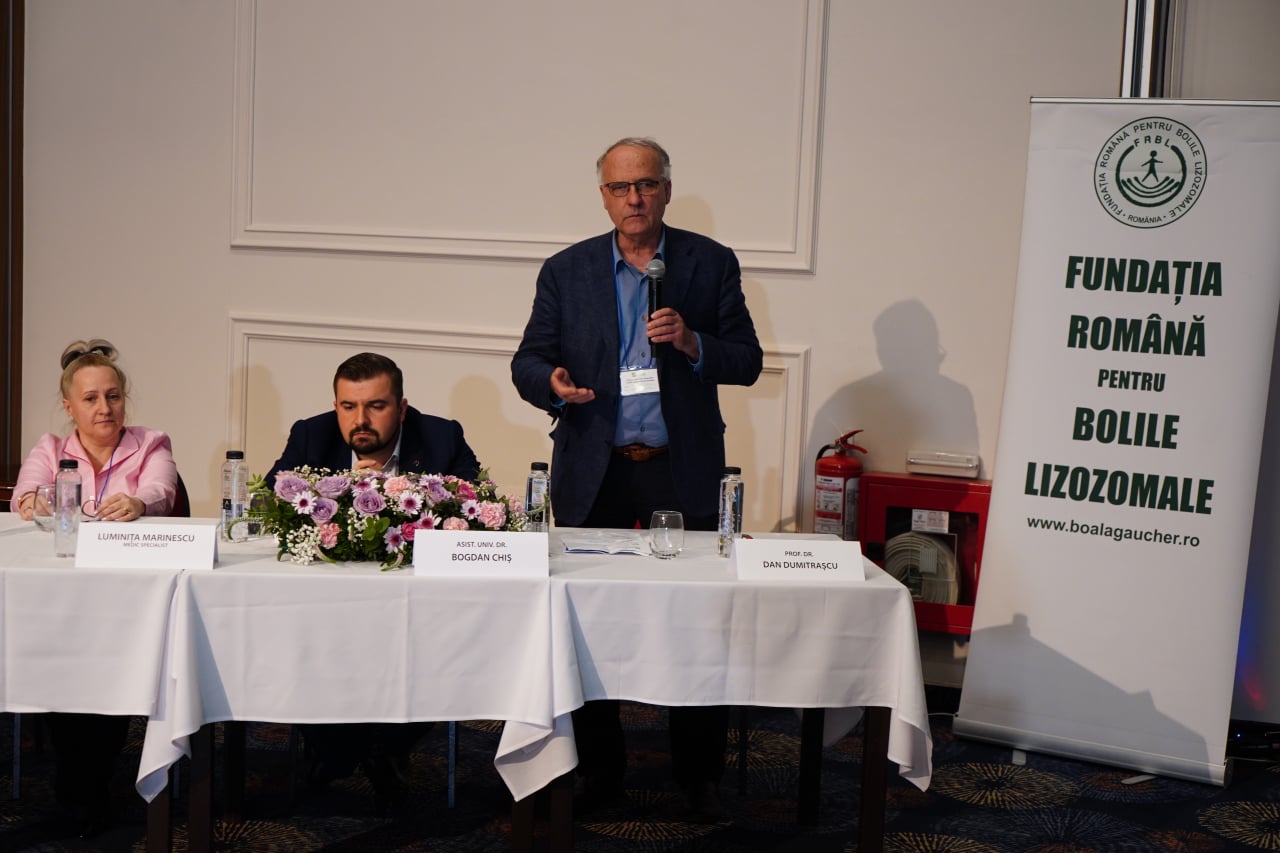
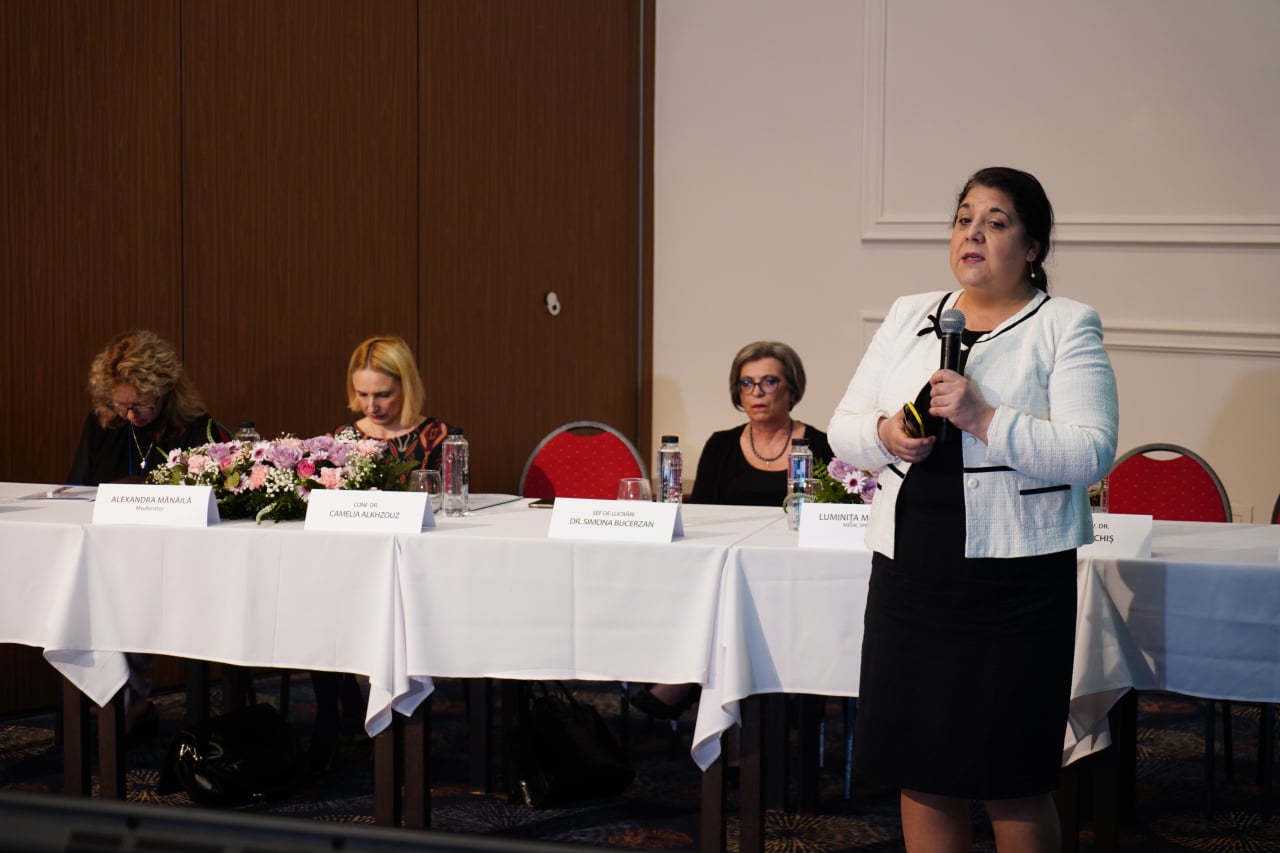
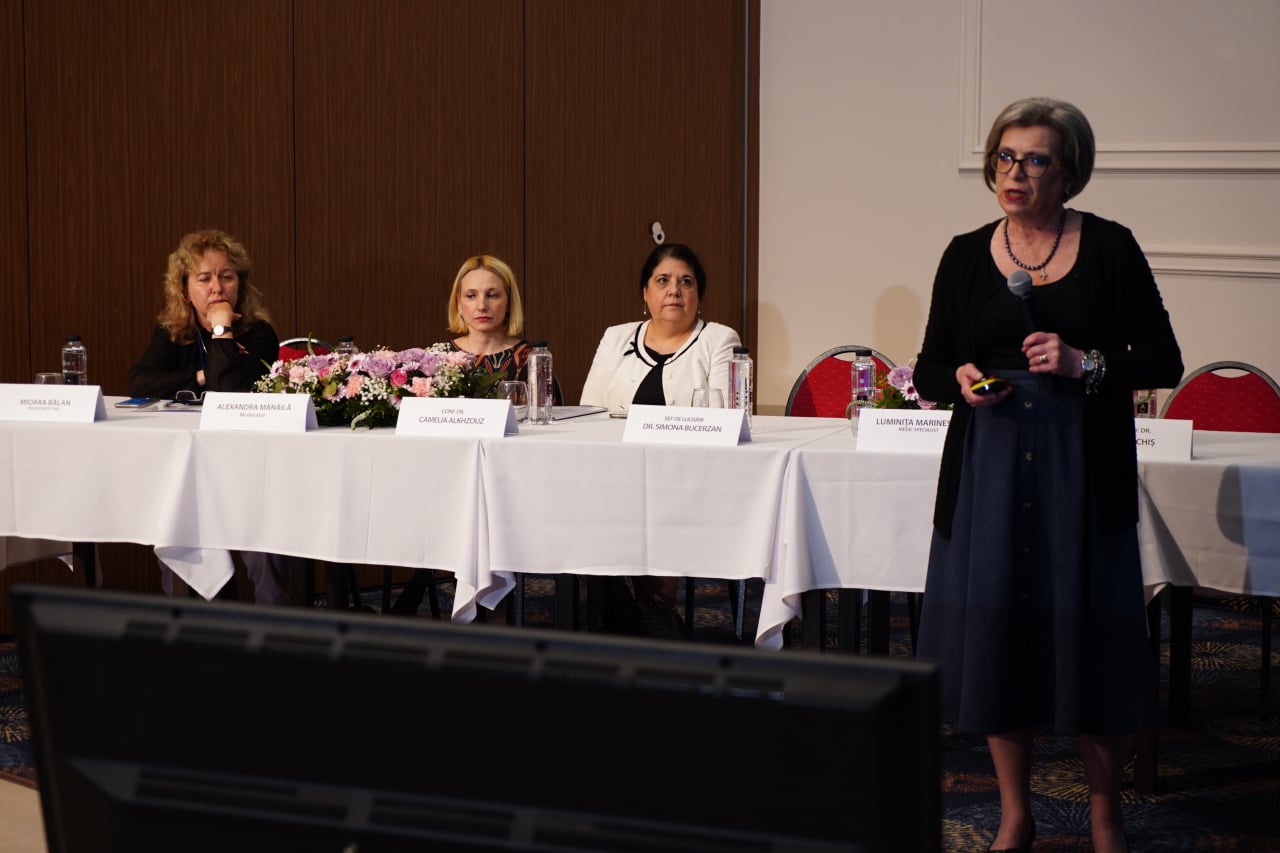
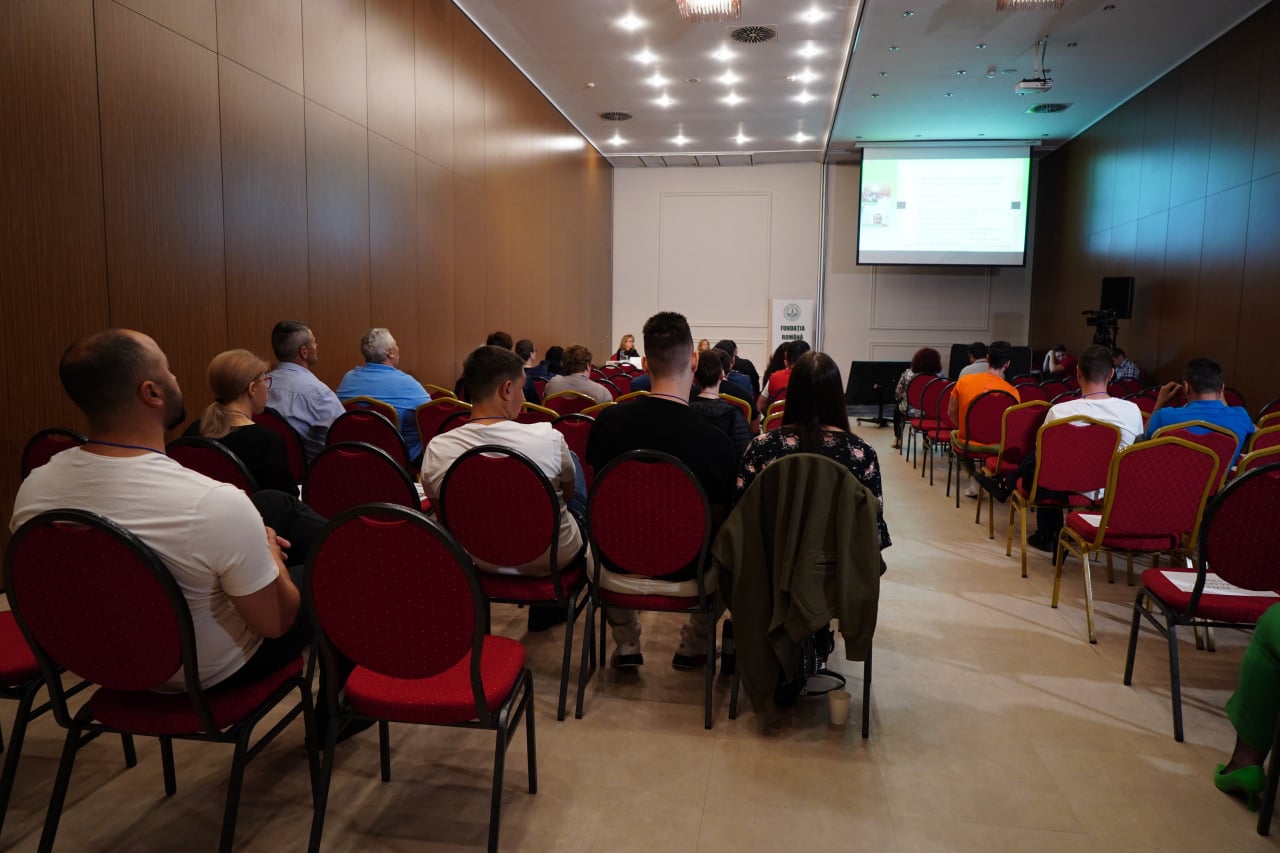
Between May 23-24, 2023, the First Conference of Patients with Lysosomal Diseases from Romania was held in Cluj-Napoca, with “A Voice for the Future” theme. The conference was organized by the Romanian Foundation for Lysosomal Diseases at the Grand Hotel Napoca from Cluj-Napoca. 100 people, patients, participated with lysosomal diseases from all over the country, belonging to them, but also doctors who diagnose and treat such patients. Some of the participants came for the first time to such an event, others were also present at the Romanians for Lysosomal Diseases (FRBL) Foundation’s events organized in the past. FRBL has now organized for the first time an event dedicated to all people with lysosomal diseases, including not only patients with Gaucher disease, but also those with the Fabry, Pompe, Nieman-Pick disease, Mucopolysaccharidoses of type I, II, III and IV.
The first day, May 23, 2023, was dedicated to video interviews with the president of FRBL, with doctors, patients – participants in the conference, some of the filming continued the next day, during the breaks of the conference, but also after it ended. The filming was done by Sorin Eșeanu, cameraman and Alexandra Mănăilă, journalist specialized in the medical field and moderator of the event.
Also, on the first day, Alexandra Mănăilă, together with the president of FRBL, Mioara Bălan, prepared a press release about the First Conference of Patients with Lysosomal Diseases in Romania, under the generic name “A Voice for the Future” and about the problems of patients with Gaucher Disease, press release which was sent to the media.
The next day, May 24, 2023, began at 9.30 a.m. with the launch of a questionnaire through which FRBL set out to find out what the biggest challenges are for those living with these rare and ultra-rare lysosomal disorders. All event participants were asked to complete the questionnaire online by the end of the conference and send the answers to the organizers. The official opening was made by Alexandra Mănăilă, the moderator of the entire conference, then Mioara Bălan, president of FRBL, gave a welcome speech and followed by a presentation of the National Alliance for Rare Diseases in Romania, supported by Ramona Mocutiu, social worker, on the platform dedicated zoom of the event for people who could not physically participate, but who wanted to watch the event as well.
Psychologist Mihaela Lupu came up with the psychological approach to chronic pathologies. How do we detect depression, why do we need to understand it and what do we do to treat it properly?
Between 11:00 and 13:00, filming continued for interviews with guests, from which a post-event film will be made for FRBL.
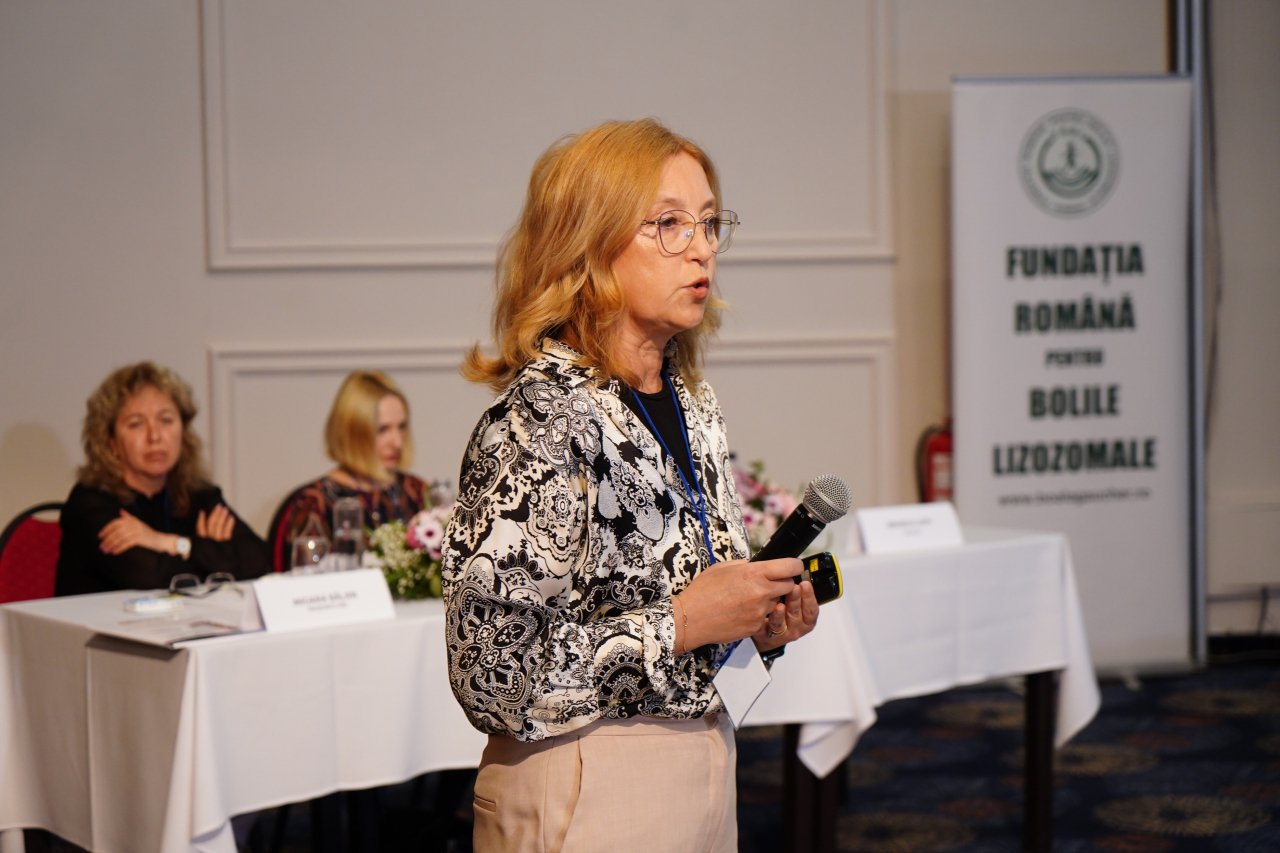
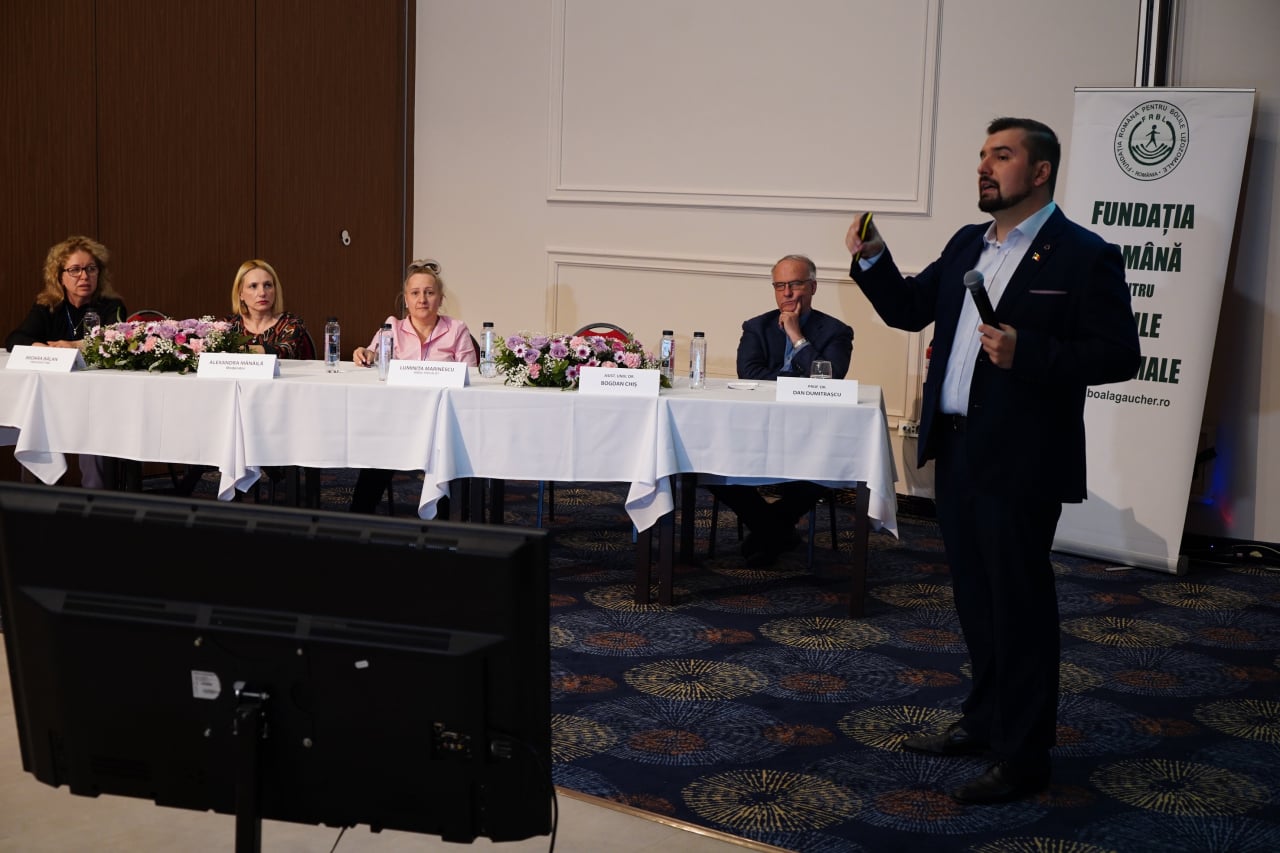
After lunch, starting at 2:00 p.m., there was a session in hybrid format with several presentations given by medical speakers present in the room, but also by doctors present online. Alexandra Mănăilă introduced the doctors: Dr. Simona Bucerzan who spoke about Gaucher Disease at children, Prof. Dr. Camelia Alkhzouz who presented information about Pompe disease, Fabry disease and Alfa Mannosidosis and online Prof. Dr. Maria Puiu spoke about Niemann-Pick disease.
After the break, another session followed with speakers Dr. Luminița Marinescu, who spoke about diabetes and nutrition in chronic diseases, Prof. Dr. Dan Dumitrașcu about modifying the protocol in Gaucher disease and Dr. Bogdan Chiș about Gaucher Disease in adults.
All these sessions were broadcast live on FRBL’s Facebook page, and Alexandra Mănăilă, the moderator of the event, took the questions of the participants from the hall and from the online environment to which the speakers answered.
At the end, the results of the questionnaire launched at the beginning of the Conference were announced. The results highlighted that the biggest challenge as a patient with lysosomal
disease in Romania, now, is the periodicity of carrying out analyses (32%), carrying out sports activities or intense effort (26%), psychological acceptance in awareness of the disease (21%) and integration into a job (21%), given that the infusion treatment is periodic and permanent.
This was followed by an audience-only Q&A session, which was not streamed online, and was answered by the doctors and the FRBL president.
At the Conference the Romanian Foundation for Lysosomal Diseases set out to make the voices of patients from our country with these diseases heard and known and to find out what are the biggest problems these people face, aim reached through the questionnaire.
Those present at the event gave positive feedback on the conference in general, on the way the conference was moderated, on the papers presented, the speakers and the organization and expressed their desire to participate in the second Conference of Patients with Lysosomal Diseases from Romania